
Uncovering and Investigating a Potential Google Maps Spam Network
How I turned concerns about potentially misleading Google Business Profiles into a documented investigation, connecting official records, location checks and review patterns before submitting the findings to Google.
From suspicious listings to a testable hypothesis
Concerns had been raised about a group of home-service Business Profiles operating across several cities in Nebraska, USA. The listings appeared to represent separate plumbing, electrical and water-heater businesses, but recurring details in their identities, addresses and review histories warranted closer investigation.
My role was to evaluate those concerns independently, distinguish verifiable facts from hypotheses and determine whether there was sufficient evidence to support a formal report to Google.
This required examining each listing individually and looking for relationships that could be missed when assessing profiles in isolation.
Building a case from independent evidence
I combined four research layers to assess individual eligibility concerns and possible connections across the listings. No single anomaly was treated as conclusive proof, and unrelated leads were excluded from the documented findings.
Business identity checks
I compared the business names displayed on Google Maps with state business and contractor records, including reasonable variations. No matching registrations were identified under those displayed names in the searches performed. This raised questions about eligibility, but did not independently prove that the businesses did not exist.
Addresses and visible presence
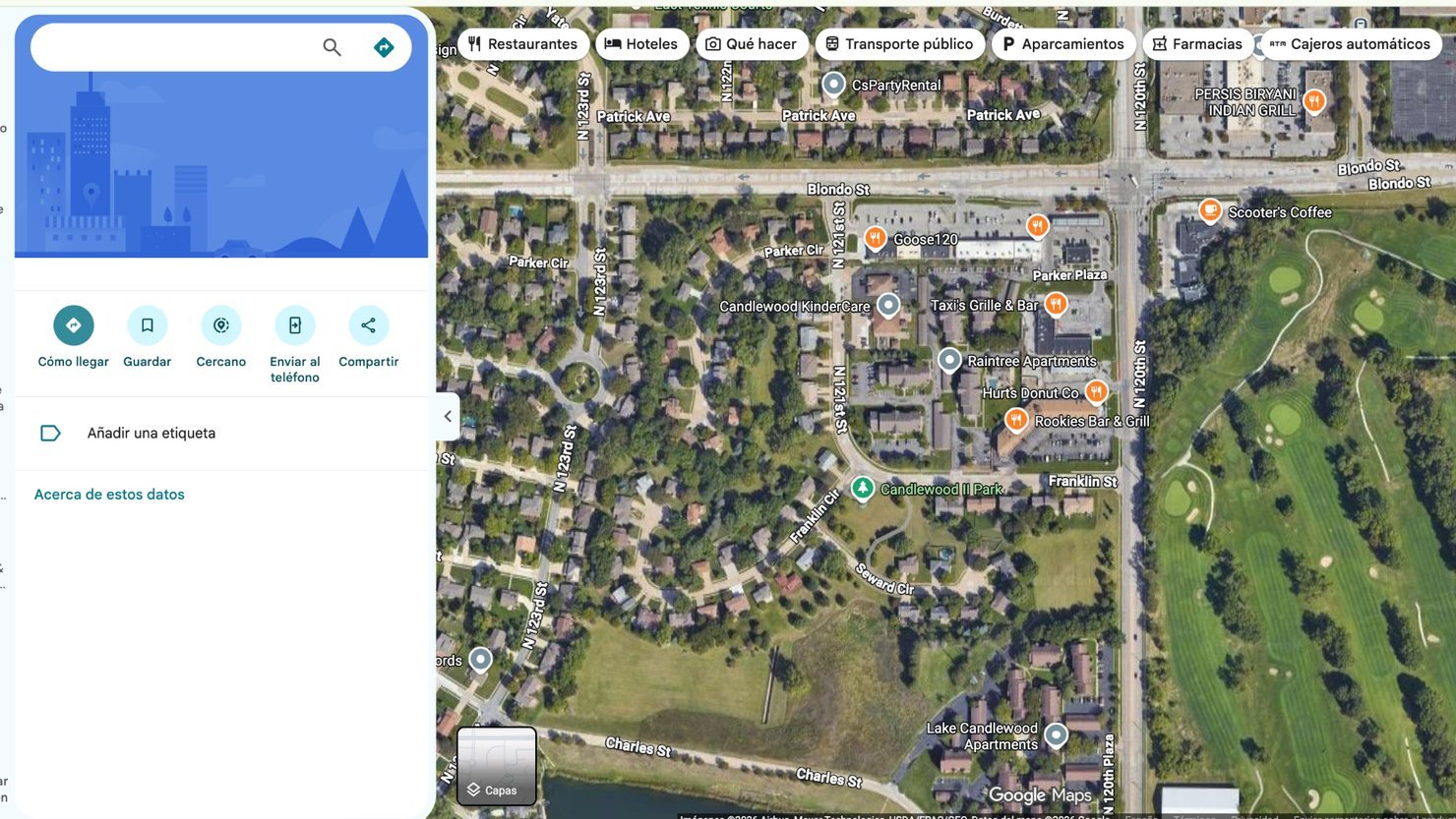
I examined the public addresses using available Google Maps and Street View imagery. None of the 16 operations could be visually confirmed at its listed location from the available imagery. These observations were documented with the limitations of remote verification clearly acknowledged.
Cross-profile reviewer analysis
From 180 manually sampled review entries, I verified 50 contributors whose visible Google Maps review histories linked at least two investigated profiles. The resulting network connected all 16 listings through 97 distinct profile pairs. Hidden review histories and coincidental display-name matches were not counted as verified overlaps.
Websites, contact details and content
I reviewed websites, public contact information and directory references associated with the investigated profiles. Repeated website structures, similar content patterns and inconsistencies between business categories and services provided additional context. The available evidence did not establish a common owner or operator.
The connections that changed the investigation
The most significant network-level finding was not a similar business name or a repeated website template. It was the documented overlap between reviewers: 50 contributor histories connected all 16 investigated profiles.
A connection means that the same Google Maps contributor visibly reviewed both profiles. This does not, by itself, establish that a review was fake or that the businesses shared a common owner.
Source: manually verified reviewer-network dataset, September 2026. Profile codes have been anonymised. Visibility statuses reflect follow-up observations after Google's review.
Turning research into a reviewable evidence package
The findings were organised into a structured report containing profile identifiers, official-record checks, address observations, reviewer connections, website findings and supporting screenshots.
The report distinguished documented observations from concerns requiring Google's own assessment.
Example: one documented profile
- Initial observation A home-service listing displayed a public suite address and 24/7 operating hours.
- Evidence examined Official records, available address imagery, digital footprint and reviewer connections.
- Follow-up observation The supplied screenshot of the original Google Maps link no longer displayed the business information panel seen during the investigation.
- Evidence limitations A screenshot alone cannot establish the precise enforcement reason or guarantee that the listing will not reappear.
From a formal report to documented action
The work did not end when the initial complaint was submitted. I documented the report, followed up on the evidence and checked the listings during subsequent follow-up.
Initial report submitted
I submitted a formal Business Redressal complaint supported by the investigation report and evidence. Google acknowledged receipt.
Additional review requested
With no visible outcome from the initial submission, I followed up on the documented concerns and requested further consideration of the evidence.
Follow-up visibility checks
In November, I revisited the reported listings on Google Maps to check which profiles were still visible.
Results verified
Follow-up checks found that 13 of the 16 reported profiles were no longer visible on Google Maps, while three remained visible.
What this investigation demonstrates
A structured investigation can turn scattered concerns about suspicious listings into a coherent evidence package for Google's assessment. This case demonstrates the value of that approach, without implying that similar outcomes are guaranteed.
What was documented
The investigation identified individual eligibility concerns, a connected network of public reviewer histories and supporting digital-footprint inconsistencies. Following formal reporting and subsequent follow-up, I verified that 13 of the 16 investigated profiles were no longer visible on Google Maps. Thirteen of the sixteen profiles were no longer visible in subsequent checks.
What remains uncertain
The available evidence did not establish common ownership or prove that all shared reviews were manipulated. Google did not provide individual enforcement reasons for each profile. Three listings remained visible, and no ranking, traffic, lead or revenue improvement is attributed to the observed removals.
Policy reference: Google's guidelines for representing a business . Findings reflect the evidence available during this investigation and follow-up. Google independently determines any enforcement action.